
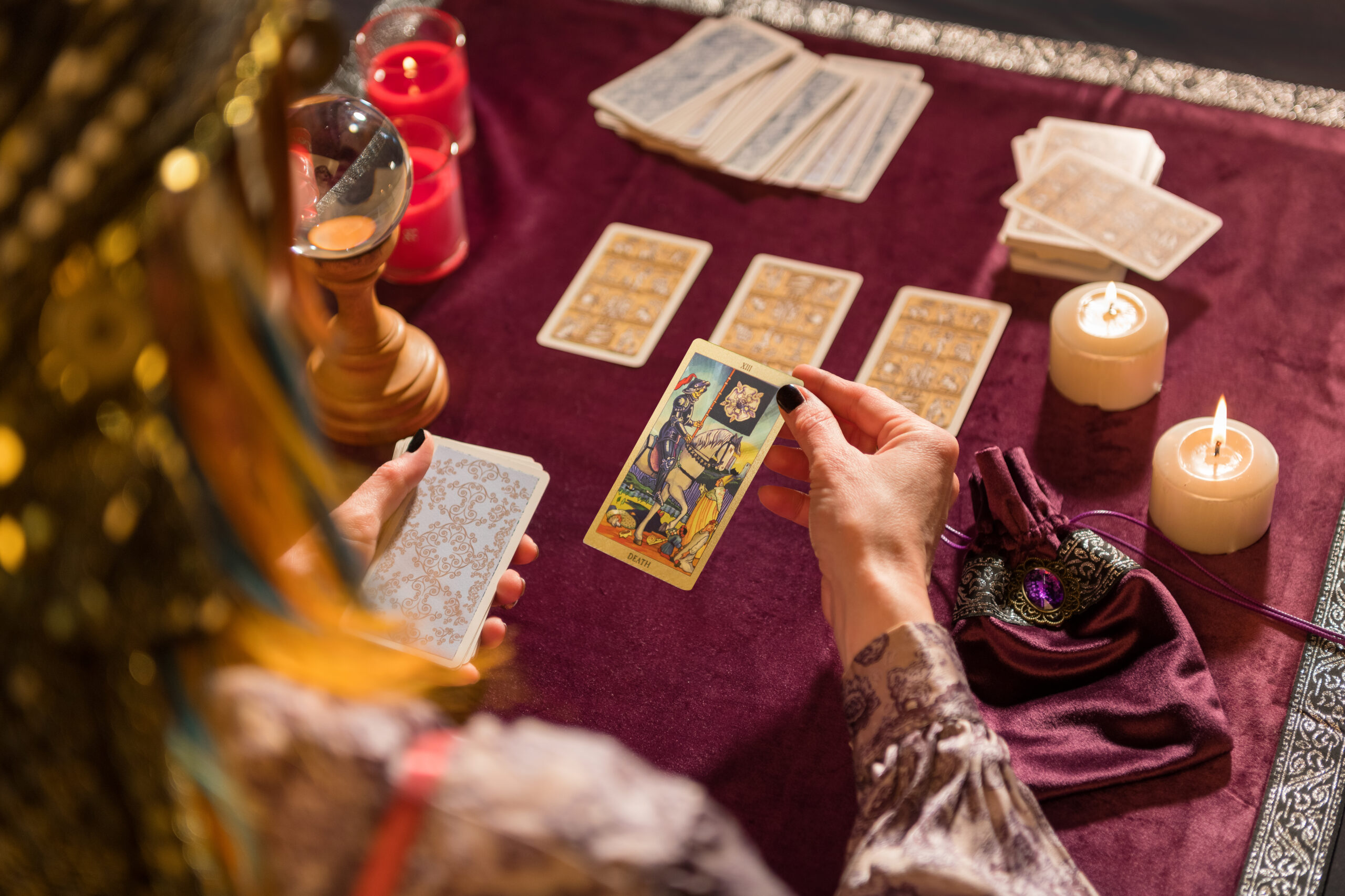
Tarot card reading is a powerful spiritual tool that combines symbolism, intuition, and self-reflection to guide life. Whether you are seeking clarity about relationships, career decisions, or personal growth, tarot offers insights by interpreting patterns and energies rather than predicting a fixed future.
Using a deck of 78 cards, a reader connects with the querent (the person asking the question) to uncover emotional influences, hidden challenges, and possible outcomes. If you’re curious about how tarot card reading works or want to explore tarot reading for beginners, this guide will help you understand the process step by step.

Key Elements of Tarot Card Reading
Before diving into the reading process, it’s important to understand the core components that make tarot effective. Each element plays a vital role in delivering meaningful insights.
The Tarot Deck
A standard tarot deck consists of 78 cards divided into two main groups:
- Major Arcana (22 cards): Represent major life lessons, spiritual growth, and significant turning points.
- Minor Arcana (56 cards): Reflect daily situations, emotions, and challenges.
Each card carries a unique meaning, and together they create a complete picture of a situation.
Symbolism in Tarot Cards
Tarot cards are rich in symbolism. Every image, number, color, and figure holds meaning and contributes to interpretation.
These symbols often relate to:
- Emotions and subconscious thoughts
- Life cycles and transformations
- Astrological and numerological influences
By analyzing these elements, the reader taps into deeper layers of understanding beyond surface-level situations.
The Querent (You)
The querent is the person seeking guidance. Your energy, intentions, and questions shape the entire reading.
Whether you’re asking about:
- Career decisions
- Relationships
- Personal growth
Your focus helps guide the direction of the reading and influences how the cards are interpreted.
The Tarot Reader
The reader acts as a guide who interprets the cards and connects their meanings to your question. They analyze patterns, positions, and symbolism to provide clarity and insight.
A skilled reader combines the following:
- Intuition
- Knowledge of tarot meanings
- Experience with different spreads
This combination helps deliver accurate and meaningful interpretations.
How Tarot Card Reading Works: Step-by-Step Process
Understanding the tarot reading process makes it easier to connect with the practice and gain valuable insights.
1. Asking the Right Question
Every tarot reading begins with a question. The quality of your question directly impacts the clarity of your reading.
Tip:
Avoid yes/no questions. Instead, ask open-ended questions like the following:
- “What should I focus on in my career right now?”
- “What is influencing my relationship?”
This allows the reading to provide deeper and more actionable guidance.
2. Shuffling the Deck
Once the question is clear, the reader shuffles the deck to focus energy and intention. This step is essential for connecting the cards to the querent’s situation.
Shuffling helps:
- Clear previous energies
- Align the deck with your question
- Prepare for accurate card selection
3. Drawing the Cards
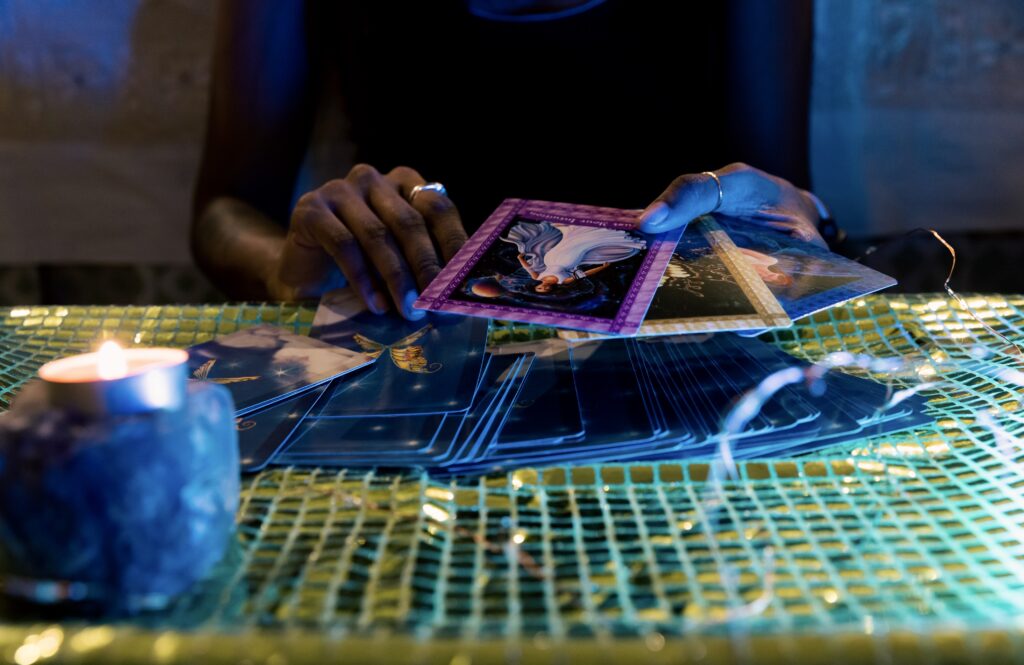
After shuffling, cards are drawn and placed in a specific layout known as a tarot spread.
Common spreads include:
- Three-card spread (past, present, future)
- Celtic Cross (detailed life analysis)
- Single-card draw (quick insight)
Each position in the spread has a specific meaning, which helps structure the interpretation.
4. Interpreting the Cards
This is where the real insight happens. The reader analyzes the cards using several techniques:
Intuitive Interpretation
The reader notices symbols, numbers, or imagery that stand out immediately.
Storytelling Approach
Cards are interpreted together to form a narrative rather than individually.
Imagery Analysis
Body language, colors, and surroundings in the cards reveal emotional and situational clues.
Patterns & Combinations
Repeated symbols or themes provide deeper meaning and highlight important aspects of the querent’s life.
Spread Position Meaning
Each card’s placement influences its interpretation, helping uncover timelines, influences, and outcomes.
What Tarot Readings Can (and Cannot) Do
Tarot is often misunderstood as a tool for predicting the future. In reality, it works differently.
What Tarot Can Do:
- Provide clarity and guidance
- Reveal emotional patterns
- Help with decision-making
- Offer perspective on situations
What Tarot Cannot Do:
- Predict the future with certainty
- Replace professional advice
- Control outcomes
Tarot reflects current energy and possible directions, not fixed destinies.
Why People Use Tarot Card Readings
People turn to tarot for many reasons, including:
- Personal growth and self-discovery
- Relationship insights
- Career guidance
- Spiritual connection
- Emotional clarity
Each reading is unique and shaped by the individual’s question and energy.
Conclusion
Tarot card reading is a powerful blend of intuition, symbolism, and self-reflection. By using a structured deck and thoughtful interpretation, tarot helps uncover hidden insights and guides individuals toward better decisions.
Rather than predicting a fixed future, tarot empowers you to understand your present and shape your path forward. With practice and openness, anyone can begin exploring tarot and benefit from its guidance.
FAQs
1. Can tarot card readings predict the future?
Tarot readings do not predict the future with certainty. They provide insight into current situations and possible outcomes based on your energy and choices.
2. Do I need psychic abilities to read tarot?
No, psychic abilities are not required. With practice, knowledge of card meanings, and intuition, anyone can learn tarot reading.
3. What do “negative” tarot cards mean?
Cards like The Tower or Death represent transformation, endings, and new beginnings—not something bad. They often signal growth and change.
4. How accurate are tarot readings?
Accuracy depends on interpretation, intuition, and how clearly the question is asked. Tarot offers guidance rather than absolute answers.
5. How often should I get a tarot reading?
It depends on your needs, but frequent readings on the same question are not recommended. Give time for situations to evolve.